


Sembra proprio vero la creatività si sviluppa tra le concilianti braccia di Morfeo, è uno studio dell’università di Haifa a confermarlo. Discorso inverso per la creatività visiva a cui invece sarebbe associata uno scarsa qualità del sonno.
Importante distinguere quindi due tipi di creatività verbale e visiva, che secondo lo studio israeliano sarebbe il primo step essenziale al fine di stabilire la differenza. Lo studio in particolare ha evidenziato come queste discontinuità possano riflettersi sulla personalità dell’individuo.
L’esperimento è stato condotto su due diversi gruppi di studenti alcuni impegnati in facoltà di tipo comunicative e altri impegnati in attività di tipo creative/artistiche.
I ricercatori supervisionati da Tamar Shochat hanno condotto con strumenti appositi diversi test per quanto riguarda la creatività individuale, ai studenti in particolare è stato chiesto anche di redigere dei diari riguardanti le loro giornate. L’aiuto di diari giornalieri è stato determinante al fine della chiarezza dei risultati.
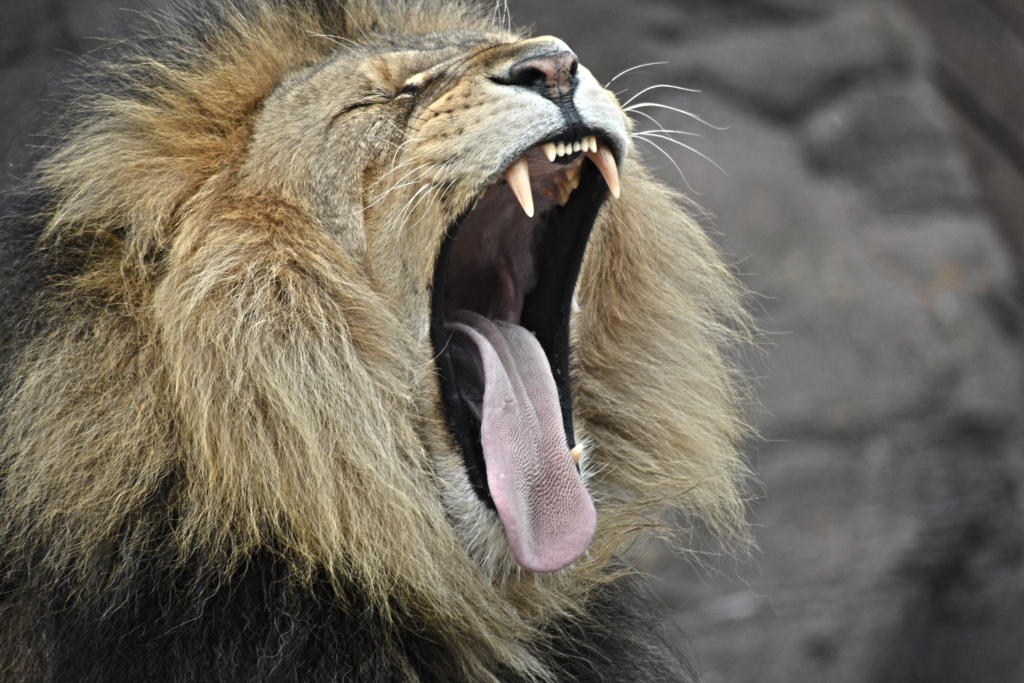
Come il sonno intacca la creatività
Ciò che è emerso sradica la convinzione ormai atavica del “chi dorme non piglia pesci”, sembrerebbe infatti che i ragazzi con capacità creative nell’ambito sociale preferiscano un sonno continuato e non inferiore alle otto ore, inoltre essi tenderebbero a coricarsi e a svegliarsi in orari solitamente considerati “poco consoni” diciamo cosi, molto tardivi.
Al contrario i ragazzi più dotati nelle arti creativo-figurative hanno mostrato abitudini di sonno discostanti, usualmente meno riposante e più disturbato da risvegli notturni.
La conclusione degli studi scientifici ci porta a considerare che alla base di un nostro bilanciato equilibrio psico-biologico esista una correlazione diretta con il nostro rapporto con il sonno, per ora però resta ancora da scoprire molto su questa strada buia.
Bisognerà aspettare ancora quindi, prima di capire se sia il sonno che concilia la creatività, o se sia vero il contrario e sia quindi questa a richiamare l’assopimento.
Editor: Michael Singleton
Come visto su Fashion News Magazine.
[:en]Recent studies have confirmed that intelligent people use to get an above-average amount of sleep hours, furthermore they also tend to get up and fall asleep very late on the day.It seems true creativity is conceived between the conciliatory arms of Morpheus, as confirmed by a study by the University of Haifa. Reverse speech has to be done for what concerns the “visual creativity” which instead would be associated with one poor sleep quality.
So it is important to distinguish two different types of creativity form in our argument, the social/verbal creativity plus the visual one. According to israelian study this would be the first step in order to clarify the difference between those 2 minds. The research has highlighted how sleep discontinuities and habits can reflect directly into individual’s personality.
The equipe team led by Tamar Shochat conducted several tests within different special instruments tracking individual traits, once determined what type of mind the students were, the young students were also asked to draw up daily diaries about their days. The help of daily diaries was instrumental to the clarity of the results.
How the sleep can affect the personality
What scientists have found eradicates the belief behind the common phrase “you snooze, you loose”, it seems indeed that people with higher social capabilities would prefer a frequent and continuous sleep not shorter than 8 hours, they may tend in falling asleep very late and get up in commonly considered weird hours, very late though.
On the perfect opposite the people who showed up higher skills in figurative creativity have demonstrated much different and deviating sleep habits, they usually sleep a lot but their snooze is pretty discontinuous.
The conclusion we could speak of at the end of the day is that a balanced sleep is the key for a more balanced psycho-biological balance over all, but the best is yet to come as we have to shift on a long way to know more about the sleep in particular.
We have to wait then, before understanding whether it is the sleep that affects creativity at all, or maybe it is this last one that reconciles the sleep.
Editor: Michael Singleton
Come visto su Fashion News Magazine.
[:]
Scrivi un commento